Author: Gabby Ross, member of Wild Ones Delmarva Board of Directors
Last week, I had the opportunity to participate in a field tour of The Nature Conservancy’s Nassawango Creek Preserve, hosted in partnership with the Maryland Prescribed Fire Council as part of the 2026 Northeast–Midwest Prescribed Fire Science and Management Workshop. As someone passionate about native plants, ecological restoration, and wildlife conservation, this was one of the most informative and inspiring field experiences I’ve attended.
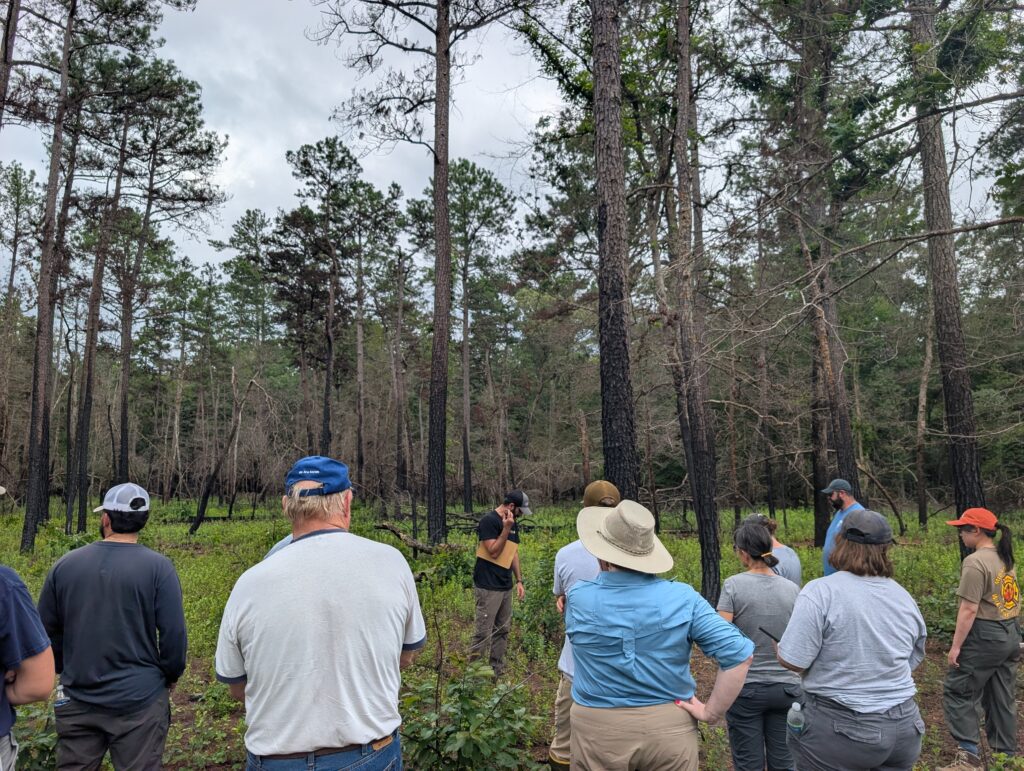
Spanning nearly 10,000 acres, the Nassawango Creek Preserve protects one of the most pristine waterways remaining on Maryland’s Eastern Shore. Throughout the day, we explored a variety of restoration sites where prescribed fire has been used alongside timber management and other restoration techniques to restore fire-dependent ecosystems. Since 2008, The Nature Conservancy has conducted prescribed burns across roughly 1,200 acres annually, and seeing the long-term results firsthand was remarkable.
One of the biggest takeaways from the day was just how essential fire is to many of Delmarva’s native ecosystems. While wildfire often carries a negative connotation, prescribed fire is one of the most valuable conservation tools available for maintaining healthy forests, wetlands, and grasslands. Many of our native plant communities evolved with regular fire, and without it, invasive species, dense understories, and excessive leaf litter gradually alter these habitats, making them unsuitable for many of the plants and animals that depend on them.
Click to view more photos
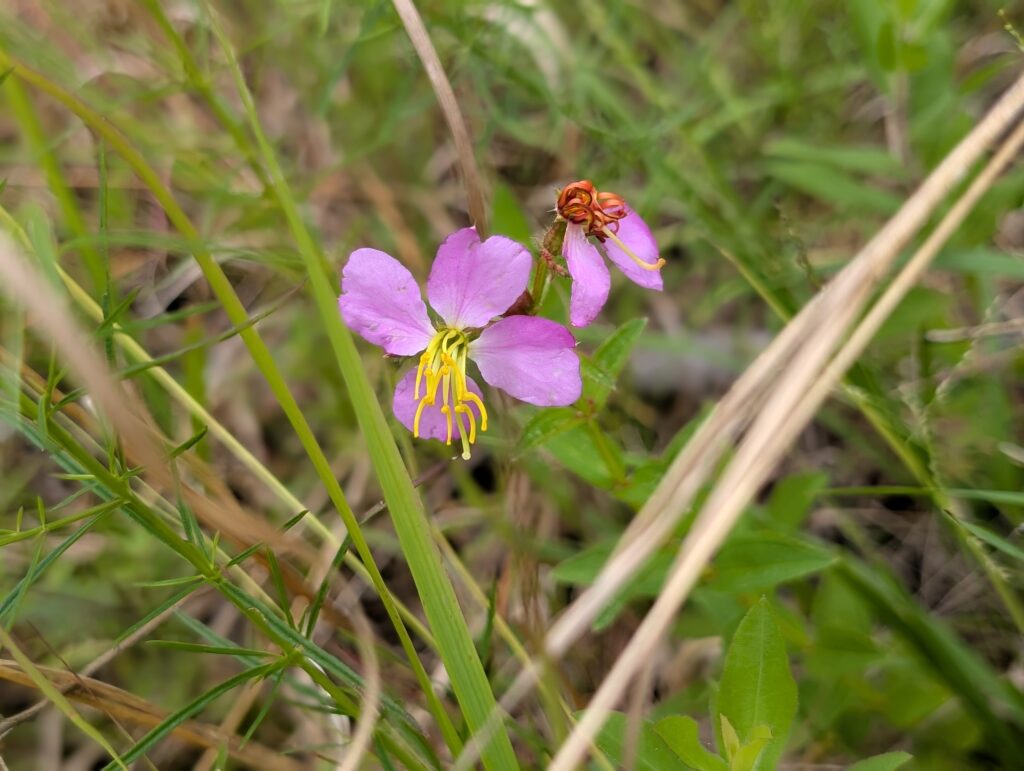
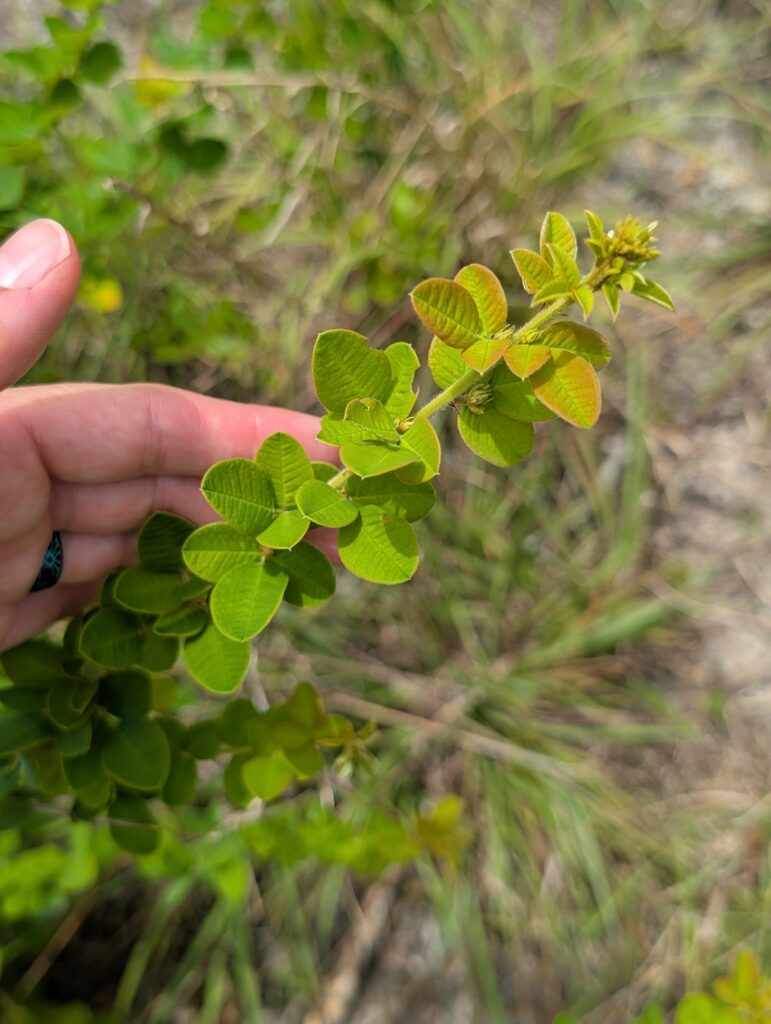
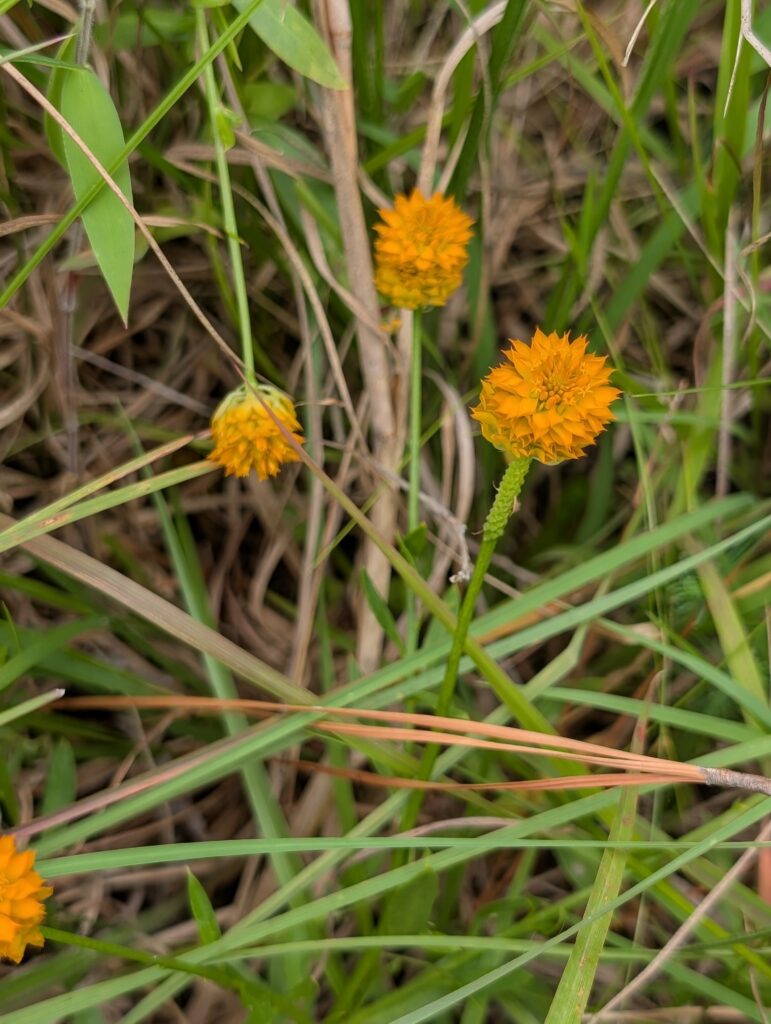
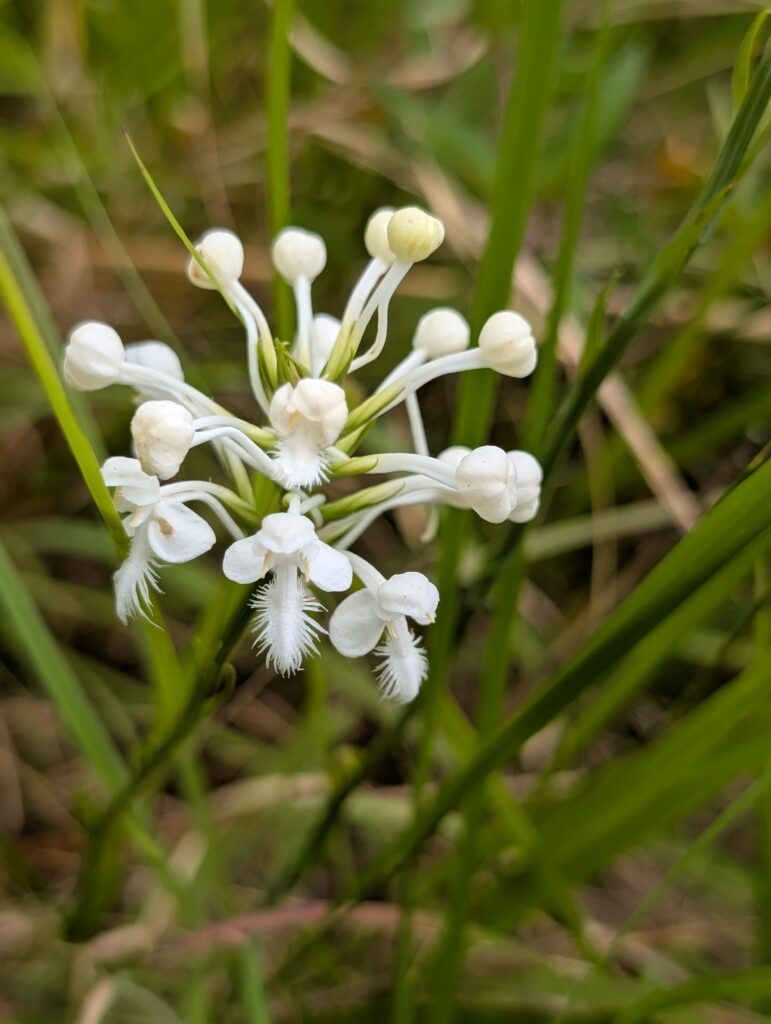
Perhaps most fascinating was learning about some of Maryland’s rarest native orchids, including the beautiful White-fringed Orchid (Platanthera blephariglottis), which can benefit from periodic fire. Prescribed burns help reduce competition from woody vegetation, open the canopy, recycle nutrients, and create the sunlight and growing conditions these specialized plants need to thrive. It’s incredible to think that such delicate and beautiful wildflowers rely on something as powerful as fire as part of their life cycle.
Throughout the tour, we also discussed the many wildlife species that benefit from prescribed fire. From pollinators and native bees to birds, reptiles, amphibians, and mammals, fire creates a mosaic of habitats with varying stages of growth that support an incredible diversity of life. Watching these restoration efforts in action made it clear that prescribed fire isn’t about destroying habitat—it’s about renewing it.
One of my favorite aspects of the day was hearing directly from local conservation organizations, land managers, foresters, and private landowners about how they’re managing their properties for native plants and wildlife. Their willingness to share both their successes and lessons learned highlighted the importance of collaboration in conservation. Whether managing thousands of acres or restoring habitat on smaller private properties, everyone shared a common goal of creating healthier, more resilient ecosystems for future generations.
As someone who spends a great deal of time advocating for native landscapes on Delmarva, it was encouraging to see science, stewardship, and practical land management come together so effectively. Events like this provide an invaluable opportunity to connect with professionals, volunteers, and fellow conservationists while learning directly from those actively restoring our natural communities.
A huge thank you to The Nature Conservancy and the Maryland Prescribed Fire Council for organizing such an outstanding field experience. I left with a deeper appreciation for the role prescribed fire plays in protecting Maryland’s natural heritage and a renewed excitement for the future of ecological restoration here on the Eastern Shore.
I’m already looking forward to attending future events hosted by the Maryland Prescribed Fire Council and continuing to learn from the incredible people working to restore and protect our landscapes.
If you are interested in writing an article about a project, please reach out to [email protected]